
Halloween, also known as Mischief Night, lived up to its reputation in 1938, especially if you were tuned in to CBS Radio at around 7pm central time.
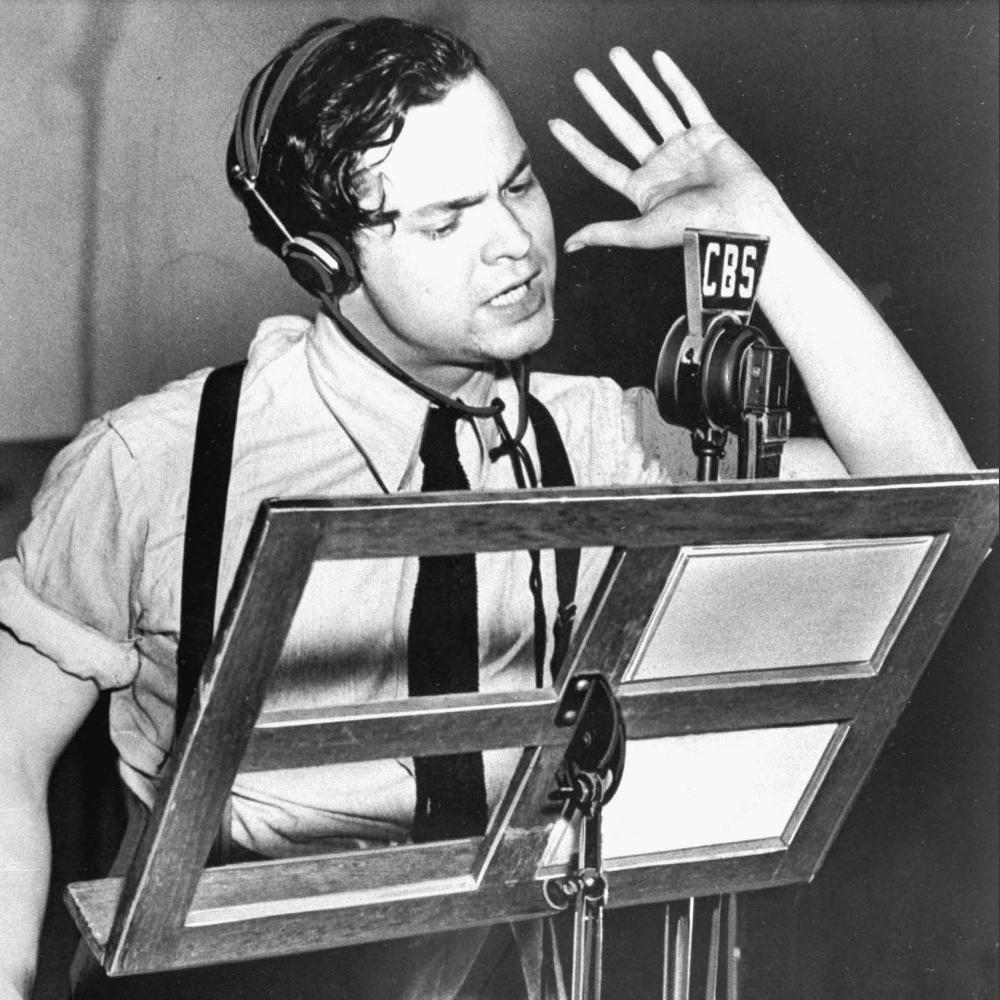
“The Mercury Theatre on the Air” was a popular radio program created and hosted by acclaimed actor and filmmaker Orson Welles. The show began in July of 1938 and in less than six months, it would make Welles’ name known around the world.
On that fateful Halloween night, Welles presented the adaptation of H.G. Wells’ science-fiction novel, “The War of the Worlds”. Told in news bulletin form, the episode was a monumental achievement in radio that highlighted the effects of media manipulation that ultimately reached across the globe, with even Adolf Hitler mocking the presentation and America’s reaction to it.
The broadcast hit the airwaves shortly before the Munich Agreement, when the U.S. was white knuckled with anxiety over the rise of dictators around the world. Welles framed the seminal novel as a real-life Martian invasion, a breaking news event, that stunned listeners who may have tuned in shortly after the disclaimer that this was a work of fiction was read.

Welles read the opening of the novel almost word-for word, before the typical program format continued. Throughout the rest of the episode, a number of news bulletins interrupted, advising of explosions on Mars and a report of an object falling from the sky in New Jersey. During this bulletin, the “on-scene reporter” begins breathlessly taking of creatures emerging from what appears to be an alien spaceship. Proclamations of a heat ray being used on local authorities and panic ensuing is suddenly cut off when the feed goes dead.
The alien invasion explodes, no pun intended, from there. The terrifying skyscraping Martian machines from the novel are described in the bulletins that follow and it’s reported that a poisonous smoke is being emitted from these crafts in Manhattan.
Welles then plays a survivor of the initial attack and he talks about what he witnessed and lived through.
As the show aired, CBS was contacted by many listeners complaining that the episode was too intense and even tasteless.
About halfway through the episode, it’s reported that police officers started to arrive at studio to potentially halt the show. Then the press started showing up, and soon, the studio was overflowing with frustrated officers, exhausted CBS executives and tenacious reporters, demanding answers on how many people may have lost their lives thanks to this stunt. The answer was no lives were lost, mercifully.

As the program wrapped up, Welles resumed the role of host and made clear that this episode was solely intended to be a “holiday offering”.
Welles coyly advised listeners, “While we have annihilated the world and utterly destroyed CBS before your very ears, you will be relieved to hear that both institutions are still open for business.” The episode ended with Welles informing the audience that if their doorbell rings on that night, it isn’t Martians, “it’s Halloween.”
Ultimately, it was an entertaining hour of radio for those who relished in the macabre, and more than a little unnerving for the majority of those who heard about the program.
Some media outlets saw the program as a “cheap stunt” that could have potentially impacted American audiences’ trust in the FCC and other institutions. Welles ended up apologizing for any anxiety he may have caused the very next day.
The program is truly a speculative masterpiece. The episode is played out so seriously that even the parts that one would simply brush off as nonsense come off as factual. Reports of the Mars explosions and “a huge flaming object, believed to be a meteorite” are read so earnestly by a breathless correspondent that you can’t help but feel like you are sitting in your living room on that Halloween night, wondering what is to come of the sky above and the grounds we live on.
The sound effects are brilliant, the muffled audio is unnerving. It’s an absolute must-listen for anyone who is fascinated with speculative fiction.
While the stories of a nationwide panic were quickly debunked, the episode stands as arguably the greatest work of fiction ever told on radio. As a twenty-three year old dreaming of his big break, Orson Welles certainly got it on Halloween Night, 1938.
Leave a Reply